

“WOW, your skin looks great!” This is something we would all like to hear. But how does skin-care even work? What does a skin-type mean? What skin-type do I have? I don’t want to have a gazillion-step routine in the evening. Is there a difference between a night and evening routine? How do I create my perfect skin-care routine? These are all things that I also struggled with, let’s find out what skin-care is and how to get the routine you and your skin need. In order to get a good skin-care routine, you need to know how skin-care works.
Table of Contents
The importance of self-care
Your skin is the biggest organ you have: it protects you from infections and bacteria, it keeps you and your body warm and you can feel with your skin. So obviously, self-care and skin-care are imprortant for ypur skin. With the right routine you are helping your skin barrier to repair itself, to keep it healthy and have it protected. So, with the right routine, your skin will age better and you will stay healthy.
Self-care is incredibly important for you, your skin, self-love, and energy. I is more than just pampering; it’s about nurturing yourself on multiple levels—physically, mentally, and emotionally. By taking time in your day to take care of yourself, you are basically saying that you are worthy of your own time and energy, this is a great step to take to build your self-love. Also, when your skin looks good, you feel good: it’s that extra boost of confidence you want.
A routine can also give you support; it doesn’t change and it is just a moment where you can be mindful and appreciative. For me, my skin-care routine in the morning and evening makes me feel way better about my worthiness and I feel less stressed, it gives me this set moment for myself. When I take better care of myself, I have a more positive outlook on life and a renewed & refreshed energy.
Elements of a self-care routine
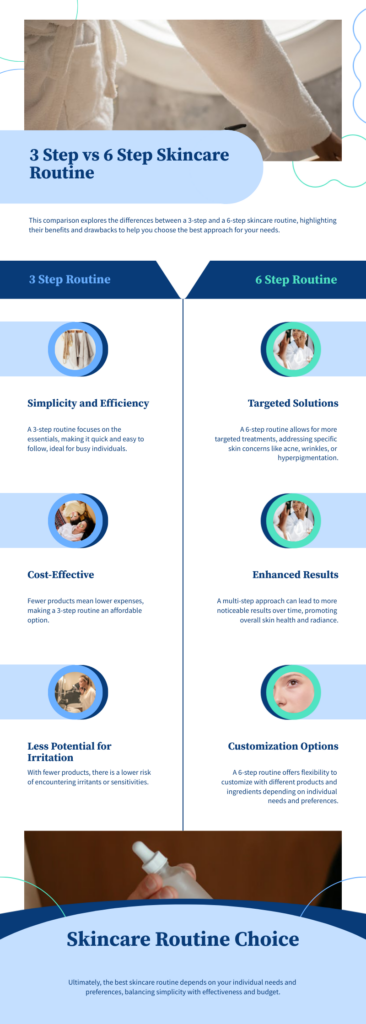
Simple, easy, yet effective routine of 3 steps!
So, as we found out before, skin-care is vital for your skin health & mental health! But still, how does it work? If you are looking for a simple, easy, and yet effective routine, this might be something for you.
1. Cleansing
Remove all the dirt, oil, make-up and other impurities that stick onto your skin throughout day or night. Cleansing also helps your skin skin prepare to better absorb any additional skincare product. Cleansing should ideally be done twice a day—morning and night—to keep your skin clean and fresh and give you a nice moment to give yourself positive energy.
Types of cleansers
- Gel Cleansers: Suitable for normal to oily skin types, they effectively cleanse without leaving a residue.
- Cream Cleansers: Ideal for dry or sensitive skin, they provide hydration while removing impurities.
- Micellar Water: A gentle option for all skin types, it cleanses without needing to rinse off.
How to use
- Apply: Start with a small amount of cleanser on damp skin.
- Massage: Gently massage the cleanser onto your face in circular motions to loosen dirt and makeup.
- Rinse: Rinse thoroughly with lukewarm water to ensure all residue is removed
2. Moisturizing
Moisturizing is crucial as it hydrates and nourishes the skin, maintaining its natural barrier function. It helps prevent dryness, irritation, and premature aging. Moisturizing should be done twice daily—after cleansing and before applying sunscreen in the morning, and after cleansing in the evening.
Types of Moisturizers:
- Lotions: Lightweight and suitable for normal to oily skin.
- Creams: Thicker and more hydrating, best for dry or mature skin.
- Gels: Water-based and ideal for oily or acne-prone skin.
How to Use:
- Apply: Dispense a pea-sized amount onto fingertips.
- Distribute: Gently massage the moisturizer onto your face and neck using upward strokes.
- Absorption: Allow the moisturizer to fully absorb into the skin before applying any makeup or sunscreen.
3. Using Sunscreen
Sunscreen is vital for protecting your skin from harmful UV rays, which can lead to sunburn, premature aging (wrinkles, fine lines), and skin cancer. Use a broad-spectrum sunscreen with SPF 30 or higher for adequate protection and which also moisturizes your skin. Apply sunscreen even on cloudy days and during winter months, as UV rays can penetrate through clouds and reflect off snow. Incorporating sunscreen into your daily routine helps maintain youthful-looking skin and reduces the risk of skin cancer caused by sun exposure.
Types of Sunscreens:
- Chemical Sunscreens: Absorb UV rays and convert them into heat.
- Physical (Mineral) Sunscreens: Reflect UV rays away from the skin.
How to Use:
- Apply: Use a liberal amount (about a nickel-sized dollop) of sunscreen.
- Spread: Apply evenly to all exposed skin areas, including face, neck, ears, and any other uncovered areas.
- Reapply: Sunscreen should be reapplied every 2 hours, or more frequently if swimming or sweating.
This three-step skincare routine—cleansing, moisturizing, and using sunscreen—forms the foundation of a healthy skincare regimen. By following these steps consistently, you can effectively cleanse your skin, keep it hydrated and protected from harmful UV rays, and maintain its overall health and appearance. Adjust products based on your skin type and concerns for the best results in achieving healthy, radiant skin.
Do you want to extend this easy routine a little bit? You can add weekly treatments like masks or exfoliation, which can be easily done at home. Here is a little guide:
Types of Face Masks
Clay Masks:
- Purpose: Clay masks help absorb excess oil and impurities from the skin, making them ideal for oily and acne-prone skin types.
- Ingredients: Common clays used include kaolin, bentonite, and French green clay.
- Benefits: They can help tighten pores, reduce shine, and improve overall skin clarity.
Sheet Masks:
- Purpose: Sheet masks are soaked in serum or essence and are designed to hydrate, nourish, and brighten the skin.
- Application: They come in sheet form pre-cut to fit the face and are left on for a specified amount of time (usually 15-20 minutes).
- Benefits: They provide intense hydration and can target specific skin concerns like dryness or dullness.
Hydrating Masks:
- Purpose: These masks are focused on providing moisture to the skin, making them suitable for dry or dehydrated skin types.
- Ingredients: Often contain hydrating ingredients like hyaluronic acid, glycerin, or botanical extracts.
- Benefits: They replenish moisture, plump up the skin, and improve elasticity.
Exfoliating Masks:
- Purpose: Exfoliating masks help remove dead skin cells from the surface of the skin, promoting a smoother texture and brighter complexion.
- Ingredients: Typically contain physical exfoliants like finely ground particles (such as sugar or apricot kernels) or chemical exfoliants like AHAs (alpha hydroxy acids) or BHAs (beta hydroxy acids).
- Benefits: They can reduce the appearance of pores, improve skin tone, and enhance the effectiveness of other skincare products.
Peel-Off Masks:
- Purpose: These masks dry on the skin and can be peeled off, helping to lift away impurities and dead skin cells.
- Application: Applied as a liquid or gel and left to dry before being peeled off gently.
- Benefits: They can provide deep cleansing and help improve the appearance of skin texture.
How to Exfoliate Your Skin
Exfoliation is a crucial step in any skincare routine as it helps remove dead skin cells, allowing for better absorption of skincare products and revealing a smoother complexion.
1. Choose the Right Exfoliant:
- Physical Exfoliation: Use a scrub with gentle particles, massaging in circular motions. Avoid harsh scrubs that can cause irritation.
- Chemical Exfoliation: Look for products containing AHAs (e.g., glycolic acid) or BHAs (e.g., salicylic acid) for a more gentle and effective exfoliation. These acids dissolve dead skin cells without the need for scrubbing.
2. Frequency:
- Sensitive Skin: Exfoliate 1-2 times per week.
- Normal to Oily Skin: Exfoliate up to 3 times per week, depending on skin tolerance.
3. Application:
- Face: Apply the exfoliant to clean, damp skin, gently massaging in circular motions for about 30 seconds to 1 minute.
- Avoid Over-Exfoliation: Too much exfoliation can lead to irritation and dryness. Listen to your skin’s needs and adjust frequency accordingly.
4. Follow Up with Moisturizer:
- After exfoliating, always follow up with a hydrating moisturizer to replenish moisture and soothe the skin.
5. Sun Protection:
- Exfoliation can make your skin more sensitive to the sun. Apply sunscreen daily, especially after exfoliating, to protect your skin from UV damage.
Mental and Emotional self-care
Mental and emotional self-care are essential for maintaining overall well-being. Here are examples of practices you can implement into your life:
- Mindfulness Meditation: Set aside time each day to practice mindfulness meditation. Focus on your breath or body sensations, cultivating present-moment awareness and reducing stress.
- Journaling: Keep a journal to express thoughts and emotions. Write about gratitude, challenges, or reflections on your day. This practice can enhance self-awareness and clarity.
- Engaging in Creative Activities: Pursue hobbies such as painting, playing music, writing, or crafting. These activities promote relaxation, stimulate creativity, and provide a sense of accomplishment.
- Physical Exercise: Regular exercise, such as yoga or jogging, not only benefits physical health but also releases endorphins that improve mood and reduce anxiety.
- Setting Boundaries: Learn to say no to commitments that drain your energy or cause stress. Establishing boundaries protects your mental and emotional well-being.
To implement these practices, start by scheduling specific times for them in your daily or weekly routine. Experiment with different activities to find what resonates most with you. Consistency is key—incorporating these practices regularly will help cultivate resilience and emotional balance in your life.
Understanding skin-care
Skin-types
No one is the same, we all have different skin-types, I’ve got a oily, dry skin. Understanding your skin type is crucial for selecting appropriate skincare products and routines. Let’s find out yours!
Normal Skin:
- Characteristics: Balanced skin with minimal imperfections, neither too oily nor too dry.
- Appearance: Smooth texture, small pores, and a radiant complexion.
- Care: Requires gentle cleansing and moisturizing to maintain balance.
Oily Skin:
- Characteristics: Excessive sebum production, leading to a shiny or greasy appearance.
- Appearance: Enlarged pores, prone to acne and blackheads.
- Care: Use oil-free cleansers, mattifying moisturizers, and products with ingredients like salicylic acid to control oil.
Dry Skin:
- Characteristics: Insufficient sebum production, resulting in tightness and flakiness.
- Appearance: Dull complexion, rough patches, and fine lines.
- Care: Use hydrating cleansers, rich moisturizers with ingredients like hyaluronic acid, and gentle exfoliation to remove dead skin cells.
Sensitive Skin
- Characteristics: reactions such as redness, itching, or stinging in response to triggers like skincare products, weather, or stress.
- Appearance: Dryness, redness, easily reactive.
- Care: Use gentle, fragrance-free cleansers to avoid irritation. Moisturizers with soothing ingredients like aloe vera and hyaluronic acid help maintain hydration without causing further sensitivity. Sunscreen with physical blockers like zinc oxide is essential for protection.
Patch testing new products is crucial, and avoiding harsh chemicals and abrasive treatments helps prevent flare-ups.
Combination Skin:
- Characteristics: Combination of oily and dry areas on different parts of the face.
- Appearance: Oily T-zone (forehead, nose, and chin) and normal to dry cheeks.
- Care: Use a balanced skincare routine, such as using different products for oily and dry areas, or multi-tasking products designed for combination skin.
Still not sure? Found out with the the routine finder of Kiehl’s.
Ingredients
Effective skincare often depends on key ingredients known for their beneficial properties. These ingredients can be found in various skincare products such as cleansers, moisturizers, serums, and treatments. When choosing products, consider your skin type and specific concerns to select formulations that will best address your skincare needs. Here are some important ingredients and their roles:
Hyaluronic Acid:
Known for its hydrating properties, hyaluronic acid attracts moisture to the skin, plumping it up and reducing the appearance of fine lines and wrinkles.
Retinol (Vitamin A):
A potent anti-aging ingredient, retinol stimulates collagen production, evens out skin tone, and reduces the appearance of wrinkles and fine lines. It also helps improve skin texture and clarity.
Vitamin C (Ascorbic Acid):
A powerful antioxidant, vitamin C brightens the skin, reduces hyperpigmentation, and protects against environmental damage by neutralizing free radicals. It also promotes collagen synthesis for firmer skin.
Salicylic Acid:
Ideal for oily and acne-prone skin, salicylic acid penetrates deep into pores to dissolve oil and exfoliate dead skin cells. It helps prevent acne breakouts and reduces inflammation.
Glycolic Acid:
An alpha hydroxy acid (AHA), glycolic acid exfoliates the skin’s surface by dissolving dead skin cells, promoting cell turnover, and improving skin texture and radiance.
Niacinamide (Vitamin B3):
Niacinamide helps strengthen the skin barrier, regulates oil production, and reduces redness and inflammation. It also improves skin elasticity and enhances its protective abilities.
Ceramides:
Essential lipids that help form the skin’s barrier and retain moisture. Ceramides improve hydration, strengthen the skin barrier, and protect against environmental aggressors.
Peptides:
Peptides are amino acids that support collagen production and help firm and tighten the skin. They also promote smoother skin texture and reduce the appearance of wrinkles.
Choosing products & developing a routine
Creating the best skincare routine involves understanding your skin type and selecting products tailored to your specific needs. Here’s a brief guide to help you build an effective routine:
Step 1: Identify Your Skin Type
Normal Skin:
– Characteristics: Balanced with few imperfections.
– Suitable Products: Gentle cleansers, lightweight moisturizers, and broad-spectrum sunscreen.
Oily Skin:
– Characteristics: Excess sebum production, prone to acne.
– Suitable Products: Oil-free cleansers, mattifying moisturizers, and products with salicylic acid or benzoyl peroxide.
Dry Skin:
– Characteristics: Insufficient sebum production, prone to dryness and flakiness.
– Suitable Products: Hydrating cleansers, rich moisturizers with ingredients like hyaluronic acid or ceramides, and gentle exfoliants.
Combination Skin:
– Characteristics: Oily T-zone (forehead, nose, chin) and normal to dry cheeks.
– Suitable Products: Balancing cleansers, lightweight moisturizers for oily areas, and hydrating products for dry areas.
Step 2: Build Your Skincare Routine
Cleansing:
- Purpose: Remove dirt, oil, and impurities.
- Products: Choose a cleanser appropriate for your skin type (gel, cream, or foam).
Toning (Optional):
- Purpose: Balance pH levels and prepare skin for subsequent products.
- Products: Alcohol-free toners with hydrating or soothing ingredients.
Treatment (Serums or Spot Treatments):
- Purpose: Address specific concerns such as acne, aging, or hyperpigmentation.
- Products: Serums containing active ingredients like vitamin C, retinol, or hyaluronic acid.
Moisturizing:
- Purpose: Hydrate and nourish the skin.
- Products: Choose a moisturizer that matches your skin type (lightweight for oily skin, richer for dry skin).
Sunscreen:
- Purpose: Protect against UV damage and premature aging.
- Products: Broad-spectrum sunscreen with SPF 30 or higher, suitable for your skin type (gel, lotion, or cream).
Step 3: Additional Considerations
- Exfoliation: Include exfoliation 1-3 times per week, depending on your skin type and product instructions.
- Eye Cream: Consider adding an eye cream to address concerns like dark circles or fine lines.
- Nighttime Routine: Incorporate products like night creams or treatments to repair and rejuvenate skin overnight.
Conclusion
By understanding your skin type and selecting appropriate products, you can create a skincare routine that effectively addresses your skin concerns and enhances your skin’s health and appearance. Consistency and patience are key to achieving optimal results. Adjust your routine as needed based on seasonal changes, lifestyle factors, and any specific skin issues you may encounter.
Keep up the good work
So, now that you have created your perfect routine, it is really important to stick to this! Your routine is not going to change anything for you if you don’t consistently do it. Stick to it and you will see changes within a couple of weeks. Keep in mind that your hormonal mirror and you diet also affect your skin-health. So drink more than 1,5 liters of water a day and don’t eat too much sugar, this will also enhance your skin health.
If the routine you have picked for yourself doesn’t help you the way you want it to, than consider changing it, but only after you have really tried it for a couple weeks. And if you have serious acne problems, consider seeking advise from a real dermatologist.
Find your products
Finding your favorite products can be really hard, that’s why I created some lists with all the products you need for your routine on Amazon. I also use these products and they have made a real difference for me. There are several lists with different price ranges, different routines (long or short), and for different skin-types. So, if you need some help finding your routine, click here to shop your routine on Amazon with me.
Well, that was a lot, but you did it! You made another step towards creating your best skin-care routine. Keep in mind that finding your best routine is yet another journey in life, don’t forget to enjoy it 😉
Do you have any questions left, let us know on our Contact-page!
If you have found your skin-care routine, feel free to share it with us on Instagram, so we can share it with the rest of the CECA-family!
With love,
CECA
C’est ca ~ That’s it