

Hey there, fellow hard-core hikers! If you’ve been anywhere near the wellness world recently, you’ve probably heard about the 10k steps challenge. It’s one of those goals that seems deceptively simple but can make a huge impact on your health. But is it really worth it? Let’s dig into the science behind this popular goal and see if it’s truly the golden ticket to better health.
Table of Contents
What’s the deal with 10,000 steps?
First things first, where did this magical number come from? The 10,000 steps target was popularized by a Japanese pedometer company in the 1960s. It’s not based on specific scientific evidence but rather a marketing strategy that caught on.
The idea caught on and evolved into a popular fitness target. It’s become a goal for daily activity and is now plastered on fitness trackers and phone apps everywhere.
However, over the years, research has supported the benefits of regular walking, even if the exact number isn’t a perfect fit for everyone.
The Good-Stuff of 10k
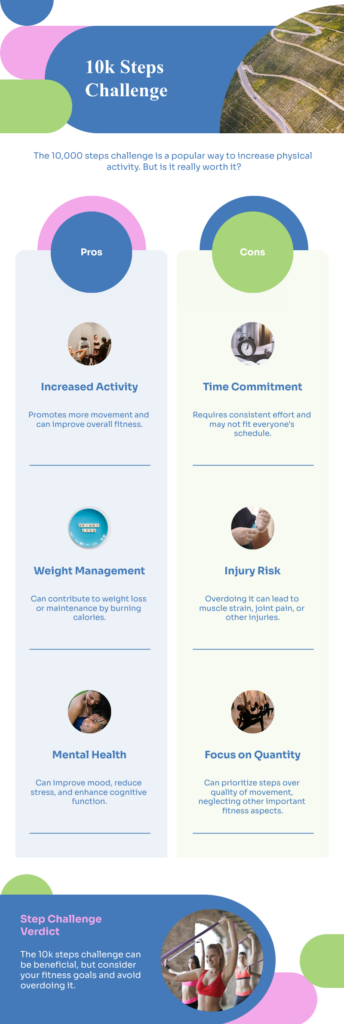
- Boosts physical activity: If you’re starting from a seated lifestyle, aiming for 10,000 steps can be a fantastic motivator. It’s a tangible goal that encourages you to move more. Plus, breaking it into smaller chunks throughout the day makes it less daunting.
- Cardiovascular benefits: Walking is a low-impact way to get your heart pumping. Consistently hitting 10,000 steps can improve cardiovascular health, reduce the risk of heart disease, and even help with weight management.
- Mental health perks: There’s something about a energetic walk that clears the mind. Regular walking can reduce stress, boost mood, and increase overall mental well-being. It’s like a little dose of self-care with every step.
- Social engagement: If you’re the social type, this challenge can be a fun way to connect with friends or family. You can compete, share tips, or even take walks together, making it a social activity rather than a solitary chore.
What happens biologically when taking 10k steps?
1. Cardiovascular health:
Walking is an excellent way to improve your heart health. Regular walking has been shown to reduce the risk of heart disease and stroke. A study published in The British Journal of Sports Medicine found that walking at least 150 minutes per week, which can easily be achieved with 10,000 steps, significantly lowers the risk of cardiovascular issues. Walking helps lower blood pressure, improves circulation, and strengthens the heart.
2. Weight management:
Consistent walking helps with weight control. Research in The Journal of Obesity highlights that walking 10,000 steps a day contributes to a healthy weight by burning calories and increasing metabolism. It’s a simple way to maintain or lose weight without intense workouts.
3. Muscle and bone health:
Walking is a weight-bearing exercise, which means it helps strengthen bones and muscles. A study in Osteoporosis International shows that regular walking increases bone density and reduces the risk of osteoporosis. It also tones and builds muscle, particularly in the legs, glutes, and core.
4. Insulin sensitivity and blood sugar control:
Walking helps regulate blood sugar levels, which is crucial for diabetes management. A study published in Diabetologia found that walking can improve insulin sensitivity, reducing the risk of type 2 diabetes. This effect can be significant when combined with other healthy lifestyle choices.
Mental health benefits of walking 10,000 steps
1. Mood boosting:
Walking releases endorphins, which are chemicals in the brain that act as natural painkillers and mood elevators. According to research from the Journal of Clinical Psychiatry, regular physical activity, including walking, helps alleviate symptoms of depression and anxiety.
2. Stress reduction:
A brisk walk can reduce stress and promote relaxation. The American Journal of Preventive Medicine reports that physical activity lowers cortisol levels (the stress hormone) and can improve overall mental well-being.
3. Cognitive function:
Walking regularly has been linked to improved cognitive function and reduced risk of cognitive decline. A study in Neuropsychology Review shows that physical activity, including walking, enhances brain function and can delay the onset of neurodegenerative diseases like Alzheimer’s.
The Not-So-Great Stuff
- One-Size-Fits-All? Not quite: The 10,000 steps goal isn’t a magic number for everyone. Some people, especially those with health issues or busy schedules, might find it unrealistic or stressful. The key is finding a goal that suits your personal fitness level and lifestyle.
- Quality over quantity: Just walking aimlessly to hit a step count doesn’t necessarily mean you’re getting the most out of your exercise. It’s important to focus on the intensity and quality of your workouts. Incorporating different types of exercises can lead to better overall fitness.
- Tracking woes: Not everyone is a fan of tracking every step. For some, constantly monitoring their progress can become a bit obsessive. And let’s be real—sometimes those fitness trackers are more about the tech than the actual health benefits.
- The pressure factor: Setting a daily goal of 10,000 steps can sometimes feel like a pressure cooker. If you’re already struggling with a packed schedule, adding this challenge might just be an extra stressor rather than a positive motivator.
Staying motivated: tips and tricks
1. Set realistic goals:
Starting with a lower step count and gradually increasing it can make the challenge more achievable. Celebrate small milestones to keep your motivation high. I recommend starting with 7.000 steps.
2. Make it fun:
Find ways to make walking enjoyable. Listen to music, podcasts, or audiobooks. Walk with friends or family members to turn it into a social activity. Or try to be more mindful of your surroundings: what do you hear, see, and smell?
3. Track your progress:
Using a pedometer or fitness app can be motivating. Seeing your progress can encourage you to keep going and set new goals.
4. Mix it up:
Incorporate different walking routes or terrains to keep things interesting. Change up your routine to prevent boredom and keep yourself engaged.
5. Reward yourself:
Try to get the reward out of the action itself, this helps you build a growth-mindset. But if you really thrive on getting rewards, try this. Set up a reward system for reaching your daily or weekly goals. It could be something simple like a treat, a new fitness accessory, or even just a relaxing bath.
My 10 K steps experience
When I was in Japan, the local people inspired me to walk more. So, I started doing the 10 K steps every day. I must say that it has been quite a ride. You need a lot of dedication and effort. Most of the days I succeeded, but sometimes I didn’t.
I noticed that on the days I didn’t finish the total 10 K steps I was kind of disappointed. Which, looking back wasn’t necessary at all. Because I went outside everyday multiple times which made me feel really good about myself and my body.
In the end 10.000 is only a number.
So now I just try to walk as much as possible and to move my body several times a day. I aim to get around 7.500 steps daily, since this is more realistic combined with my buzz of life.
I try to see the 10 K more as a motivational bar, but it’s not something I need to achieve every day. I’m just happy I try putting in the effort daily to move my body and take some time of to unwind my mind together with my dog.
Informative video: 10K steps
So, is it worth it?
So, is the 10,000 steps challenge worth it? The science says yes—walking this amount daily can provide substantial benefits for both your body and mind. It promotes cardiovascular health, helps with weight management, strengthens bones, and boosts mental well-being. Plus, it’s a low-impact, accessible exercise that can fit into most lifestyles.
In the end, the 10,000 steps challenge can be a great tool for some people, especially if it helps you get moving more regularly. It’s a simple target that can lead to tangible health benefits. But it’s not the end-all-be-all of fitness.
The most important thing is to find what works for you. If 10,000 steps feels right and helps you stay active, go for it.
If not, that’s okay too. Listen to your body, set realistic goals, and remember that any movement is better than none. Whether you’re walking 5,000 steps or 15,000, what matters most is that you’re staying active and feeling good.
Happy stepping, everyone!
With love,
CECA
C’est ca ~ That’s it