
Mindfulness sounds like this wonderful vague thing, that everyone should be doing, but it also has a weird stigma for some people. “Isn’t mindfulness a thing that hippies do?”, said my dad to my mom. Well, let me tell you this: Mindfulness is not only for hippies, everyone can do it and it is not vague. It will help you clear your mind and create awareness, clarity, and gratitude in your life. So dive into the world of mindfulness and let’s get zen together! 🙂
Table of Contents
Understanding mindfulness
Since my mom started getting into mindfulness and meditation, I was also becoming curious about it, but at first, I thought she was crazy. Well let me tell you this, I was WRONG, it is not a weird and crazy thing! (don’t tell my mom though) So, we’ve made clear that mindfulness is not only for hippies. But what is it?
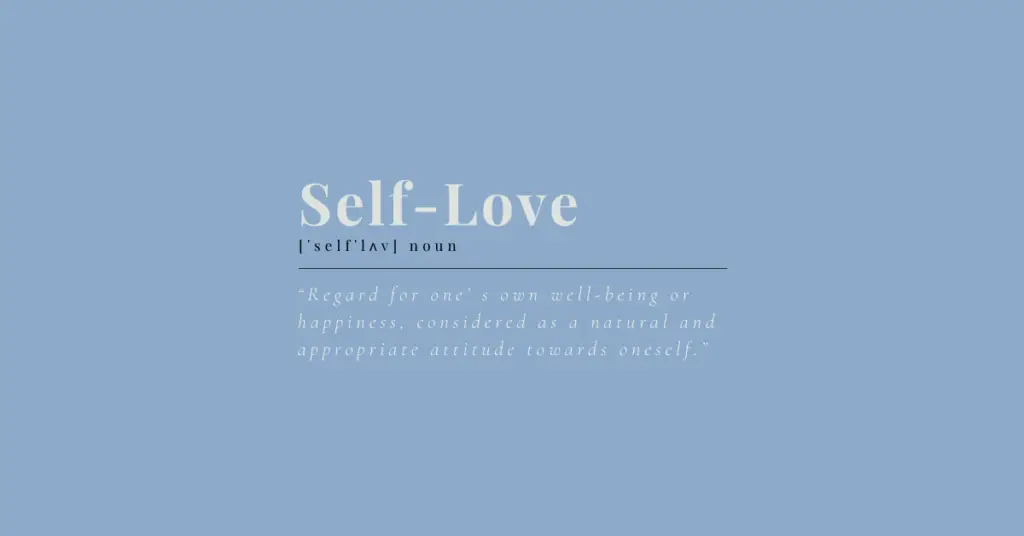
Mindfulness is about creating peace of mind, it makes you aware of yourself and your feelings and it gives you clarity when your mind is chaotic. Next to this, you also become aware of the present-moment; you start living in the here and now, like my dad always says. For me, it is also a moment of self-love and being aware of what I need to improve on.
The benefits to practicing mindfulness
There are many benefits to it, here’s a little list. The best is to figure it out for yourself.
- Stress Reduction: Mindfulness helps you in reducing stress by promoting relaxation and a sense of calmness. It encourages you to focus on the present moment rather than worrying about the future or dwelling on the past.
- Improved Focus: Regular mindfulness practice enhances your concentration and cognitive flexibility. It trains your mind to stay focused on tasks and improves your attention span.
- Emotional Regulation: Mindfulness gives you emotional intelligence by helping you become more aware of your emotions without being overwhelmed by them. This awareness allows you to better regulate your emotions and reactions.
- Enhanced Self-Awareness: Through mindfulness, you develop a deeper understanding of yourself— your thoughts, feelings, and behavior. This self-awareness can lead to greater self-acceptance and personal growth. (self-love)
- Better Relationships: Mindfulness grows your empathy and compassion towards others. By being present and attentive, you can improve your communication skills and strengthen your relationships.
- Reduced Symptoms of Anxiety and Depression: Studies have shown that mindfulness can be effective in reducing symptoms of anxiety and depression. It helps you manage negative thoughts and emotions more effectively.
- Improved Sleep: Mindfulness techniques, such as relaxation and breathing exercises, can promote better sleep patterns. By calming your mind and body, you will often find it easier to fall asleep and experience improved sleep quality.
- Increased Resilience: Regular mindfulness practice can enhance your resilience to life’s challenges and setbacks. You can get a mindset that is more adaptable and better equipped to cope with difficulties.
- Pain Management: Mindfulness-based practices are increasingly used as complementary therapies for managing chronic pain. They can help individuals develop a different relationship with pain and reduce its perceived intensity.
- Boosted Immune System: There is evidence to suggest that mindfulness practices can strengthen the immune system. By reducing stress and promoting relaxation, mindfulness may contribute to overall better health.
These benefits show you how mindfulness can contribute to both mental and physical well-being, making it a valuable practice for your overall health.
Myths & Misconceptions
As I talked about before, there are several ideas, stigmas, myths, or misconceptions about practicing mindfulness, let me address some of them.
- Myth: Mindfulness is just about clearing your mind and thinking positively.
Reality: Mindfulness is not about emptying the mind or forcing positive thoughts. It’s more about becoming aware of what’s happening in the present moment, including both positive and negative thoughts and emotions. It involves observing these thoughts without judgment and with acceptance, rather than trying to change them. - Myth: Mindfulness is only for people who are spiritual or religious.
Reality: While mindfulness has roots in Buddhist meditation practices, it is not inherently religious or spiritual. It is a secular practice that anyone can benefit from, regardless of their religious beliefs or background. Mindfulness techniques focus on attention, awareness, and acceptance, which are applicable to anyone seeking to reduce stress and improve well-being. - Myth: Mindfulness is time-consuming and difficult to integrate into daily life.
Reality: Mindfulness practice can be adapted to fit into various lifestyles and schedules. It doesn’t necessarily require long periods of meditation; even short sessions of a few minutes can be beneficial. Moreover, mindfulness can be practiced informally throughout the day by simply being more present and aware during daily activities such as eating, walking, or interacting with others.
By dispelling these myths, it becomes clearer that mindfulness is a practical and accessible approach to enhancing mental and emotional well-being, suitable for a wide range of individuals and contexts.
Mindfulness Techniques
Since, you’re still here, let’s get you started on practicing mindfulness. There are a couple of ways to start practicing mindfulness, I’ve listed 8 for you, find out yours: At the beginning, it might still feel a little weird, but once you get used to it, you will be amazed.
1. Mindful Breathing:
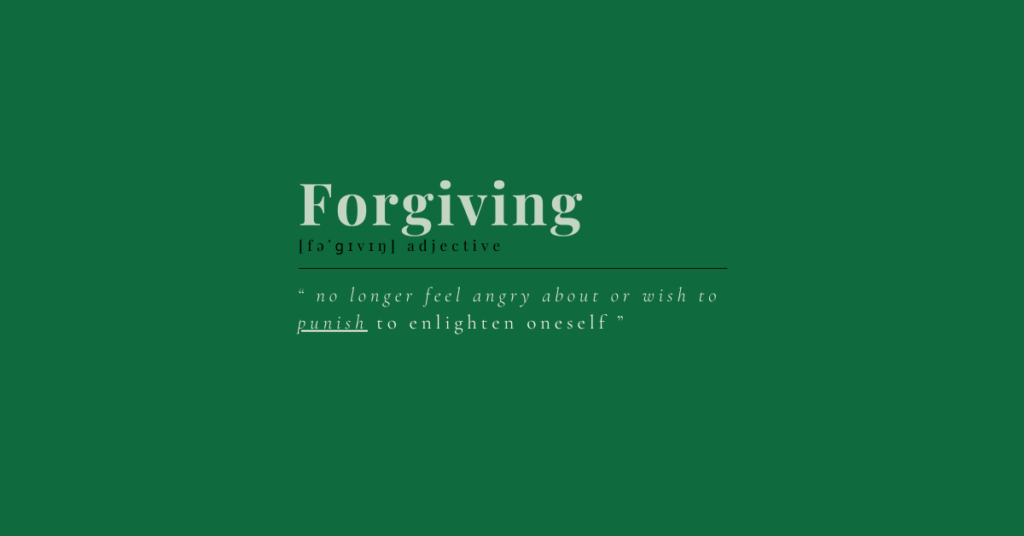
I do this regularly when I feel stressed out or overwhelmed. I take a couple of deep breaths and I’m back in the peaceful place I want to be. If it doesn’t feel that easy for you: DON’T punish yourself, try a couple more times and say to yourself: ‘I’m gonna be okay.’
- Find a comfortable place to sit or lie down.
- Close your eyes and bring your attention to your breath.
- Notice the sensation of your breath as you inhale and exhale.
- You can focus on the rising and falling of your abdomen or the sensation of air passing through your nostrils.
- When your mind wanders (which is normal), gently bring your focus back to your breath without judgment.
2. Body Scan Meditation:
For me this one really helps me when I try to fall asleep, when I can’t sleep. Then I try to feel how tired my body is and I fall asleep.
- Lie down in a comfortable position or sit in a chair with your feet flat on the floor.
- Close your eyes and bring your attention to your body.
- Start with your toes and slowly move your attention up through each part of your body, noticing any sensations without trying to change them.
- Pay attention to areas of tension or relaxation.
- This practice helps increase body awareness and relaxation.
3. Mindful Walking:
Walking outside and being present when walking is one of my favorites: I feel calm and happy and I also feel that I can take some time for myself and be present, positive and happy that you’re able to walk.
- Find a quiet place to walk, either indoors or outdoors.
- Start walking at a comfortable pace.
- Focus your attention on the sensation of walking— the movement of your legs, the feeling of your feet touching the ground.
- Notice the sights, sounds, and smells around you without getting caught up in thinking about them.
- If your mind wanders, gently bring your focus back to the physical sensations of walking.
4. Mindful Eating:
For some people this can really give them peace of mind, for some it doesn’t, try it out and see if you like it or if it helps you or not.
- Choose a small piece of food, such as a raisin or a slice of fruit.
- Before eating, take a moment to observe the food— its color, texture, and shape.
- Notice any sensations in your hand as you hold the food.
- Bring the food to your mouth slowly, noticing its scent.
- Chew slowly and pay attention to the taste and texture of the food as you eat it mindfully.
- This practice helps cultivate awareness of eating habits and enhances enjoyment of food.
5. Mindfulness of Emotions:
This one helps me to be more observant of my emotions; so now I’m trying not to react FROM my emotions, but react TO them. If I feel annoyed I try to not be annoyed, but just say that I’m annoyed by something. In this way I’m being mindful of my emotions.
- Sit in a comfortable position and close your eyes.
- Bring your attention to any emotions or feelings present in your mind and body.
- Notice where you feel these emotions physically— perhaps as tension, warmth, or discomfort.
- Allow yourself to experience these emotions without judgment or trying to change them.
- Recognize that emotions come and go like waves, and observe how they shift over time.
- This practice helps develop emotional awareness and resilience.
6. Loving-Kindness Meditation:
This one is really endearing to me: it’s really nice to have a moment of gratitude an dlove towards your friendships and other relationships.
- Sit comfortably with your eyes closed.
- Begin by focusing on your breath for a few moments to center yourself.
- Think of someone you care about deeply, such as a close friend or family member.
- Silently repeat phrases of loving-kindness towards this person, such as “May you be happy, may you be healthy, may you be safe, may you live with ease.”
- Allow feelings of warmth and compassion to arise as you extend these wishes to them.
- Gradually extend these wishes to yourself, then to others in your life, and finally to all beings everywhere.
- This practice helps cultivate feelings of love, compassion, and goodwill towards oneself and others.
7. Noting or Labeling Thoughts:
I got this one from my mom; she says I should try to experience my thoughts and feelings as little clouds floating by, on which I don’t always have to react.
- Sit in a comfortable position with your eyes closed.
- As thoughts arise in your mind, rather than getting caught up in them, mentally note or label them.
- For example, if a thought about work comes up, silently say to yourself, “thinking.”
- If you feel a sensation in your body, label it as “sensation.”
- If you experience an emotion, label it as “feeling.”
- This practice helps create distance from your thoughts and emotions, allowing you to observe them with greater clarity and objectivity.
8. Mindful Listening:
Music is a must in my life, so this one is just actually really fun to me! But I think it’s rather hard to be mindful of the music, but I guess that practice makes perfect.
- Choose a piece of music or a sound that you enjoy or find soothing.
- Sit or lie down in a comfortable position and close your eyes.
- Focus your attention entirely on the sound, noticing its different qualities— pitch, volume, rhythm.
- Allow yourself to fully immerse in the experience of listening without analyzing or judging the sound.
- If your mind wanders, gently bring your focus back to the sound.
- This practice helps develop concentration and awareness of auditory sensations.
Creating a Routine
When starting with practicing mindfulness, there are a few key tips that I want to give to you.
- Be nice to yourself: don’t be frustrated if it doesn’t go smoothly from the beginning on. It is a practice that requires time and effort. I think the process is never really over, because it is a life-long practice, but that’s what makes it beautiful.
- Start small: Start out with short sessions (5 – 10 mins) or simply try to be more present throughout the day. If this goes well, then start with longer time periods if that’s what you want in your life.
- Do what you want to do and learn: Do not feel like you should learn to meditate for several hours or anything like that. If you want to implement being mindfull in your life, by being more present, that is absolutely perfect! It’s already great that you’re starting, don’t make it too big.
- Consistency is key: practicing mindfulness will become easier if you stay consistent; in this way you can find out what works for you and what doesn’t.
- Set intentions: as I mentioned before; do what you want. Clearly write down for yourself what you want out of starting with practicing mindfulness, because then you are able to work towards this goal and you’ll know what to focus on. Remember that you are doing this for yourself, not for anyone else.
Overcoming challenges
Incorporating mindfulness into daily life can be a challenging journey with a coupe hurdles. Balancing a hectic schedule often competes with the desire to stay present, while wandering thoughts can pull us away from the moment we seek to embrace. Overcoming these challenges begins with acknowledging their universality and understanding that setbacks are part of the process.
Practical strategies like setting gentle reminders throughout the day or practicing self-compassion during moments of distraction can profoundly support our mindfulness practice. Above all, persistence is crucial. It’s about gently bringing our focus back to the present, time and again, without judgment or frustration. By nurturing this persistence and viewing each challenge as an opportunity for growth, we cultivate a deeper connection with ourselves and the world around us, fostering greater peace and resilience in our lives.
My Personal Journey and Reflections
Given all this information I gave you, I must be a pro at being mindful. Well… I am not…yet! I have been practicing mindfulness off and on for a while now, but I’m still learning a lot. My mom introduced me to it and it’s still something that needs a lot of work. For example, sometimes I’m a pro at handling my emotions and then I can say to myself: this is just a feeling, it matters how I react to it. But some of the other times I get dragged away by my feelings, which is also totally normal and okay.
Practicing mindfulness has really helped me feel calmer and less overwhelmed by my thoughts or feelings: I can give it a better place in my mind. For me, there is lots of things to better on, let’s do it together!
Well, I’m proud of you for even giving mindfulness a chance by learning about it through this post. If you have any other questions about it, feel free to contact us!
Keep in mind that being mindful is a long journey and it is not something you can achieve and then you’re done doing it; it’s an ongoing transformation. Let us know if you need any other information about practicing mindfulness. Share your best mindful practice with us under this post or on Instagram!
With love,
CECA
C’est ca ~ That’s it